Father-son hacked to death, mother critically injured in Newtown over land dispute
.gif)

Download Mobile App 






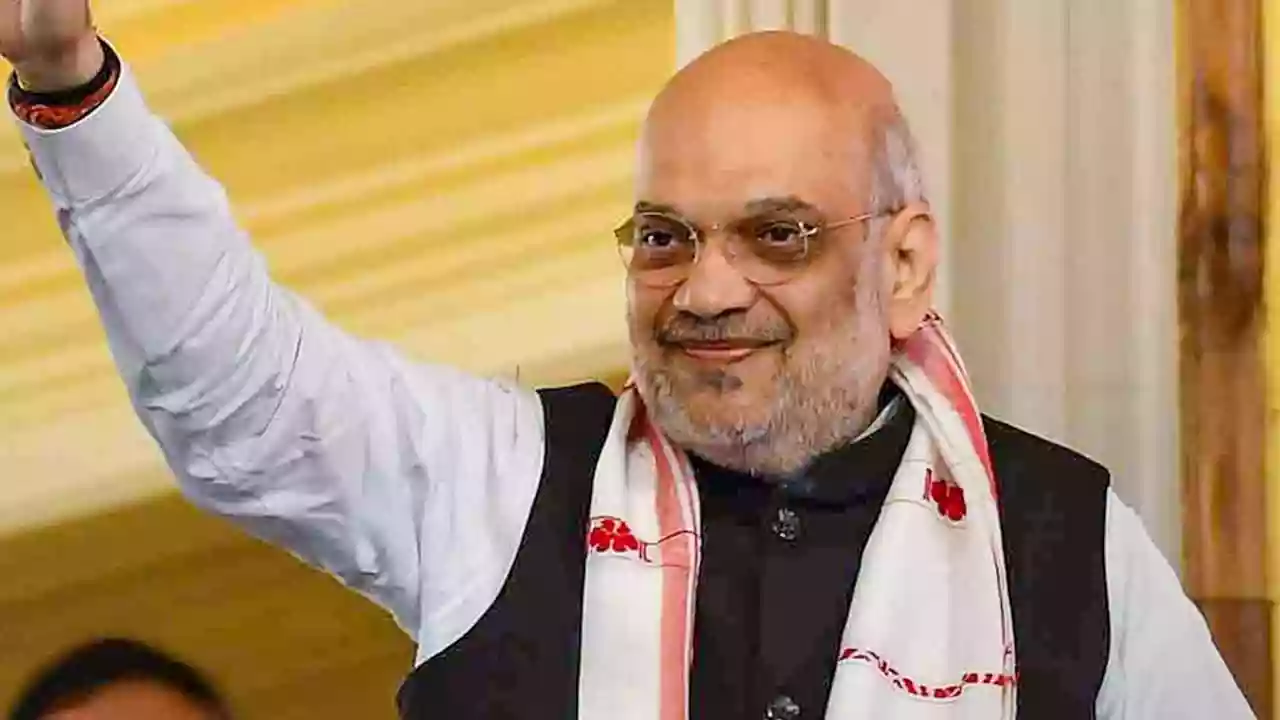
Union Home Minister Amit Shah's high-stakes three-day visit to West Bengal has started on a turbulent note for the state BJP unit. Landing at Kolkata airport on Monday night, Shah headed straight to the Salt Lake party office for organizational meetings. However, the absence of senior leader and former state president Dilip Ghosh from the core committee meetings has raised eyebrows. Despite being a member of the core group, Ghosh was reportedly not invited, fueling long-standing allegations of "new vs. old" factionalism within the party's Bengal wing.
The exclusion of veteran leaders has led to accusations that the current leadership is shielding Shah from internal grievances. Critics and aggrieved members of the "original" BJP camp claim that only a handpicked group of leaders are being allowed to interact with Shah to prevent them from voicing concerns about party mismanagement. While Shah posted pictures with Suvendu Adhikari on social media expressing confidence in a "change" in Bengal, the ground reality remains complicated by organizational weaknesses and persistent infighting.
During the meetings, Shah took stock of the party's skeletal structure at the grassroots level, noting that nearly 40 percent of booths still lack active committees. He stressed the need for massive public outreach and organized field work. Discussions also touched upon critical electoral factors like the Matua vote bank and the implementation of the Citizenship Amendment Act (CAA). Leaders like Sukanta Majumdar and Suvendu Adhikari presented their campaign blueprints, which include a series of roadshows, public meetings, and a planned Rath Yatra.
Setting a direct tone for the upcoming assembly elections, Amit Shah urged the state unit to focus on a dual-narrative campaign. He advised them to highlight alternative development models—focusing on industry, agriculture, and women's empowerment—while simultaneously addressing issues like infiltration and religious polarization. As Shah continues his visit, all eyes are on how he navigates the delicate balance between the warring factions to forge a united front against the ruling Trinamool Congress.

.webp)
.webp)

 West Bengal
 Bihar
Bihar Uttar Pradesh
 Jharkhand